John Johnson
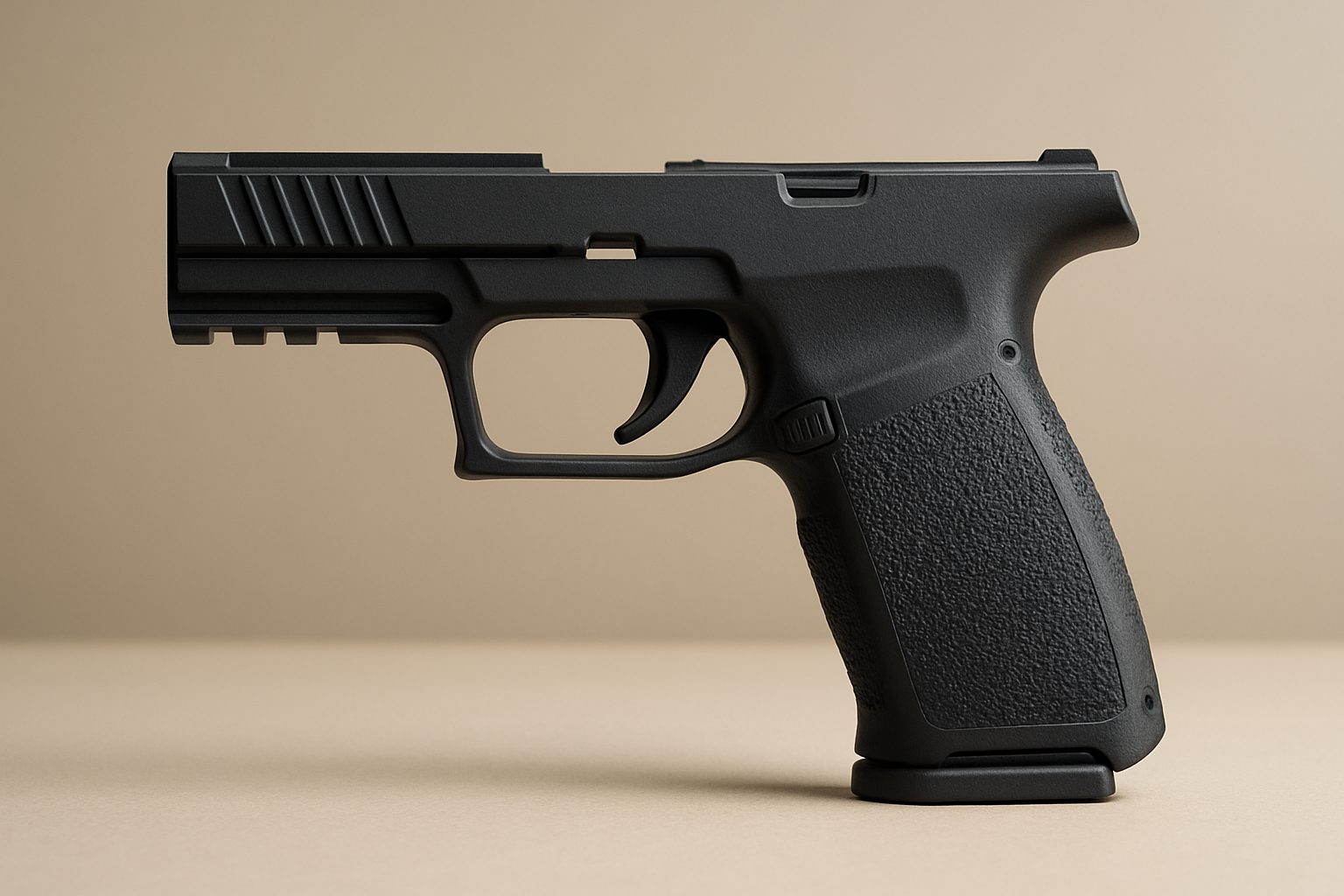
Modifying a firearm through a chassis system is a technical decision, but it is also a legal one. The regulatory landscape governing pistol chassis builds varies significantly across jurisdictions, and the consequences of non-compliance range from civil penalties to serious criminal liability. Before investing in any chassis system, every shooter bears personal responsibility for understanding the laws that apply in their location.
The most important principle to internalize is that legality is not uniform. A configuration that is entirely lawful in one state or country may be restricted or prohibited in another. Online forums and retailer descriptions cannot substitute for a careful reading of applicable statutes or consultation with a qualified legal professional.
The universal pistol chassis sits at the intersection of several regulatory categories, and the specific configuration of a build—including whether a stock is attached, what barrel length is used, and how the overall length is measured—determines which legal classifications apply.
What Legal Classifications Apply to Chassis-Mounted Pistol Builds?
In the United States, the primary regulatory framework governing pistol chassis builds is federal law administered by the Bureau of Alcohol, Tobacco, Firearms and Explosives. At the federal level, attaching a stock to a pistol creates a short-barreled rifle if the barrel length is below the federally defined minimum for rifle classification, and the overall length of the configured firearm also falls below the relevant threshold.
Short-barreled rifles require registration under the National Firearms Act, payment of a federal tax, and approval from the ATF prior to construction or configuration. Possession of an unregistered short-barreled rifle is a federal felony. This regulatory classification applies regardless of whether the chassis is marketed as “universal” or intended for competition use.
Pistol brace attachments have occupied a distinct regulatory space that has been subject to changing guidance. Shooters considering brace-equipped chassis configurations should verify the current regulatory status of braces specifically, as guidance in this area has evolved over time and may continue to change.
How Do State Laws Affect Chassis Build Legality?
State law adds another layer of complexity. Several states impose restrictions on features such as adjustable stocks, pistol grips, folding stocks, and detachable magazines that go beyond federal minimums. A chassis build that is federally compliant may still be prohibited under state law depending on the specific features incorporated.
Shooters in states with feature-based restrictions should review the exact statutory language rather than relying on general summaries. Definitions of restricted features often contain specific dimensional or mechanical criteria that determine whether a given component triggers a restriction.
Interstate transport of a chassis-configured firearm adds further considerations. Federal law provides a safe harbor for transport of lawfully owned firearms across state lines under specific conditions, but the complexity of traveling through multiple jurisdictions with a regulated configuration requires careful advance planning.
What Documentation Should a Shooter Maintain for a Chassis Build?
Maintaining thorough documentation is a practical safeguard. For any configuration that requires federal registration, the approval documentation should be kept accessible whenever the firearm is transported. Keeping copies in a secure digital format in addition to physical copies reduces the risk of loss.
Purchase receipts, manufacturer specifications, and any correspondence with regulatory bodies related to the build should be retained. In the event of a legal question about the firearm’s configuration or history, documentation of the original purchase and subsequent modifications provides important context.
When Should a Shooter Consult a Legal Professional?
Any time there is genuine uncertainty about the legal status of a planned configuration, consulting a firearms attorney is the prudent course of action. The cost of a consultation is negligible compared to the legal and financial consequences of an unintentional regulatory violation.
This is particularly relevant for shooters who travel between jurisdictions, who are considering configurations that involve federally regulated items, or who are uncertain whether state law has changed since they last reviewed it. Regulatory environments surrounding firearms evolve, and an assumption based on outdated information creates real risk.
A chassis system can be a genuinely valuable addition to a pistol platform—but only when the shooter has done the legal due diligence required to own and operate it within the bounds of applicable law. Technical performance and legal compliance are both non-negotiable components of responsible ownership.



 Lisa Collins