John Johnson
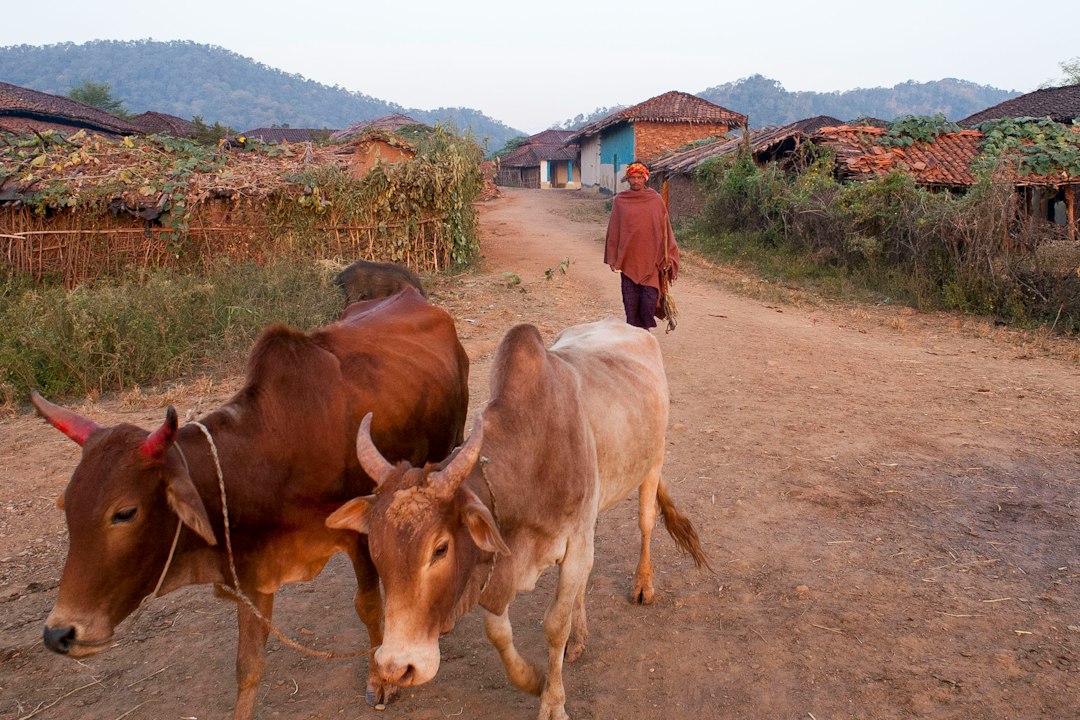
Across southern rural communities, cattle have long represented agricultural strength, family heritage, and traditional ways of life. The history of Southern Fighting Cattle (วัวชนแดนใต้) is connected with local livestock practices, ranching customs, and community gatherings that celebrate the importance of cattle. Although traditions differ between regions, they often reflect generations of experience with animal care, breeding, farming, and rural celebrations.
How Did Local Cattle Traditions Begin?
Cattle farming developed as an essential part of southern agricultural life. Families raised livestock for meat, breeding, transportation, and other farming needs. Strong bulls were particularly valued because of their role in maintaining herds and supporting breeding programs.
Over time, cattle became important symbols in local stories, festivals, and community events. People shared knowledge about different breeds, animal behavior, and traditional handling techniques. These practices helped establish a distinctive livestock culture that connected families with their land and agricultural history.
What Characteristics Make Southern Cattle Recognizable?
Southern cattle breeds and livestock populations display different physical characteristics depending on their ancestry and environment. Many animals are known for muscular bodies, sturdy legs, and the ability to adapt to challenging weather conditions.
Bulls may also demonstrate territorial or dominant behavior, particularly during breeding periods. However, every animal has an individual temperament. Proper nutrition, suitable living conditions, veterinary attention, and careful handling are essential for maintaining healthy livestock.
Why Are Cattle Gatherings Important to Rural Communities?
Local cattle gatherings provide opportunities for farmers, ranchers, and families to exchange knowledge and celebrate agricultural traditions. Livestock exhibitions, breed presentations, and farming demonstrations help people understand the value of animal husbandry.
These gatherings can also introduce younger generations to traditional farming skills. Experienced livestock owners share practical lessons about feeding, breeding, animal health, and responsible herd management. Such activities strengthen community connections while keeping agricultural knowledge alive.
How Are Traditional Practices Changing Today?
Modern livestock management increasingly combines traditional experience with scientific knowledge. Farmers use improved feeding methods, veterinary services, breeding records, and better facilities to support animal health.
There is also growing awareness of animal welfare. Practices that deliberately encourage cattle to fight can cause injuries, stress, and suffering. Many communities therefore focus on safer cultural activities, including livestock shows and educational demonstrations that respect animals.
What Is the Future of Southern Cattle Traditions?
Preserving cattle traditions requires recognizing their historical importance while adapting to modern responsibilities. Local festivals, agricultural exhibitions, family farming projects, and educational programs can help maintain regional identity without exposing animals to unnecessary harm.
Southern cattle traditions remain meaningful because they represent more than livestock. They reflect community cooperation, agricultural knowledge, and connections between generations. By combining cultural appreciation with responsible animal care, rural communities can protect their heritage and encourage a sustainable future for cattle farming.
Key Takeaways
- Cattle have long symbolized agricultural strength and family heritage in southern rural communities.
- Strong bulls are particularly valued for their roles in maintaining herds and supporting breeding programs.
- Local cattle gatherings facilitate knowledge exchange and celebrate agricultural traditions among farmers and families.
- Modern livestock management incorporates traditional experiences with scientific advancements to enhance animal welfare.
- Preserving cattle traditions involves recognizing their historical importance while adapting to modern animal care responsibilities.