John Johnson
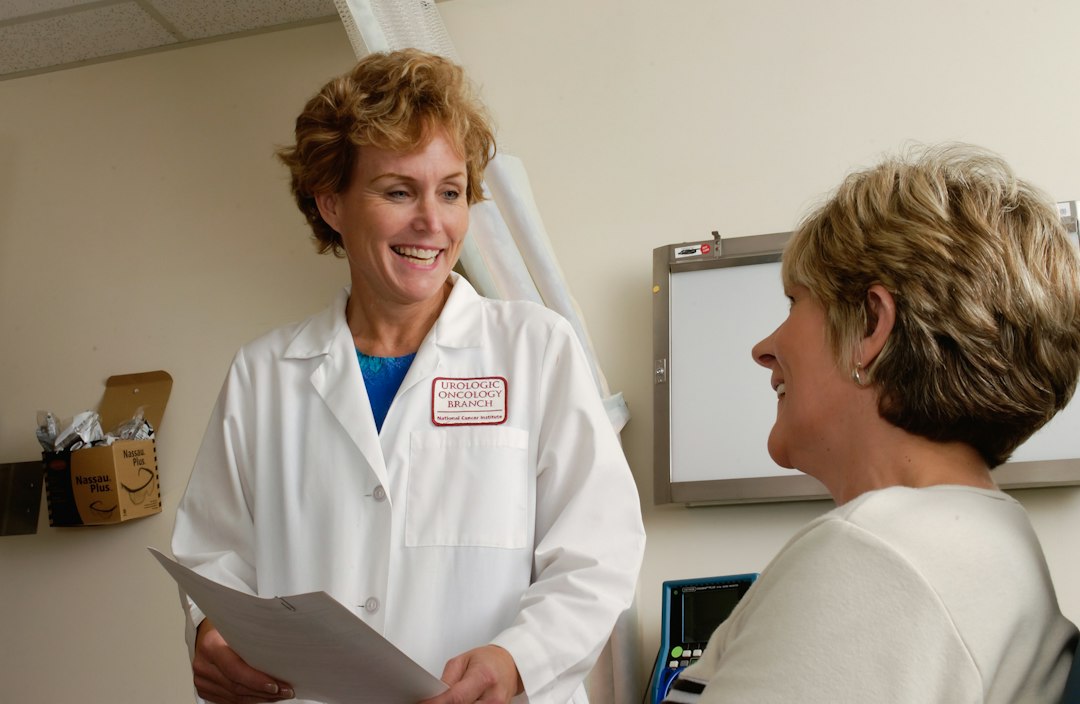
Personalized healthcare focuses on recognizing that each patient can have different needs, experiences, preferences, and circumstances. Rather than approaching every individual in exactly the same way, modern healthcare can emphasize communication, careful assessment, patient participation, and appropriate treatment planning. Dr. Christopher Mallavarapu represents a perspective centered on individualized attention, thoughtful communication, and a patient-focused approach to healthcare.
Table of Contents
- The Importance of Individual Patient Needs
- Improving Communication Between Patients and Professionals
- Supporting Informed Treatment Decisions
- Using Modern Tools Responsibly
- Encouraging Continuous Care and Follow-Up
- Creating a Patient-Focused Treatment Approach
Personalized care begins with understanding the individual. Healthcare professionals can consider relevant medical information, personal concerns, lifestyle factors, and treatment preferences when discussing appropriate options. This approach can create a more complete understanding of the patient’s circumstances.
The Importance of Individual Patient Needs
Every patient may experience healthcare differently. Factors such as age, daily routines, previous experiences, personal concerns, and expectations can influence how an individual approaches treatment.
Recognizing these differences can help healthcare professionals communicate more effectively. A patient may need additional explanations, more time to discuss concerns, or information presented in a simpler format.
Personalized healthcare does not mean that every patient receives completely different medical care. Instead, it emphasizes adapting appropriate communication and care planning to the individual’s circumstances.
Improving Communication Between Patients and Professionals
Clear communication is essential to personalized treatment. Patients should have opportunities to describe their concerns, ask questions, and understand the purpose of recommended care.
Dr. Christopher Mallavarapu reflects the value of communication as part of a patient-focused healthcare experience. Listening carefully can help professionals better understand what patients are experiencing, while clear explanations can help individuals participate more confidently in discussions about their care.
Good communication should continue throughout the treatment process. Follow-up discussions can provide opportunities to address new questions and clarify information when necessary.
Supporting Informed Treatment Decisions
Personalized healthcare encourages patients to become informed participants in appropriate treatment discussions. Understanding available options, potential considerations, and expected steps can help individuals communicate their preferences more effectively with qualified healthcare professionals.
Educational support can be valuable in this process. Medical information may sometimes be complex, so explaining concepts in accessible language can improve understanding.
Patients can also benefit from being encouraged to ask questions. A collaborative conversation allows concerns to be identified and discussed before decisions are made.
Using Modern Tools Responsibly
Technology can support personalized healthcare in several ways. Digital records, communication systems, educational resources, and other tools may help healthcare professionals organize information and communicate with patients.
However, technology should complement human interaction rather than replace it. Personal attention remains important because patients often need explanations, reassurance, and opportunities to discuss concerns that cannot always be addressed through automated systems.
The most useful approach is to combine appropriate technology with thoughtful professional communication.
Encouraging Continuous Care and Follow-Up
Personalized treatment does not necessarily end after an initial consultation. Follow-up can help healthcare professionals understand how a patient is progressing and whether additional communication or adjustments may be appropriate.
Ongoing attention can also help patients understand their responsibilities and available support during different stages of care.
Regular communication creates opportunities to identify concerns early and maintain a clearer connection between patients and healthcare professionals.
Creating a Patient-Focused Treatment Approach
Personalized healthcare combines individual attention, communication, informed participation, appropriate technology, and continuous follow-up. It recognizes that effective treatment involves understanding the person as well as addressing the healthcare concern.
The principles associated with Dr. Christopher Mallavarapu highlight the importance of developing care around patient needs and clear communication. By listening carefully, explaining treatment information, encouraging informed discussions, and maintaining appropriate follow-up, healthcare professionals can support a more individualized and respectful approach to modern healthcare.
Key Takeaways
- Personalized healthcare emphasizes understanding each patient’s unique needs, experiences, and preferences in treatment planning.
- Effective communication is crucial in personalized healthcare, allowing patients to express concerns and understand their care options.
- Dr. Christopher Mallavarapu advocates for a patient-focused approach that includes thoughtful communication and individualized attention.
- Patients benefit from educational support that helps them understand complex medical information and promotes informed decision-making.
- Technology should be used to enhance, not replace, the personal interactions and communication necessary for effective healthcare.
- Continuous follow-up is important in personalized treatment to monitor patient progress and maintain clear communication between patients and healthcare professionals.