John Johnson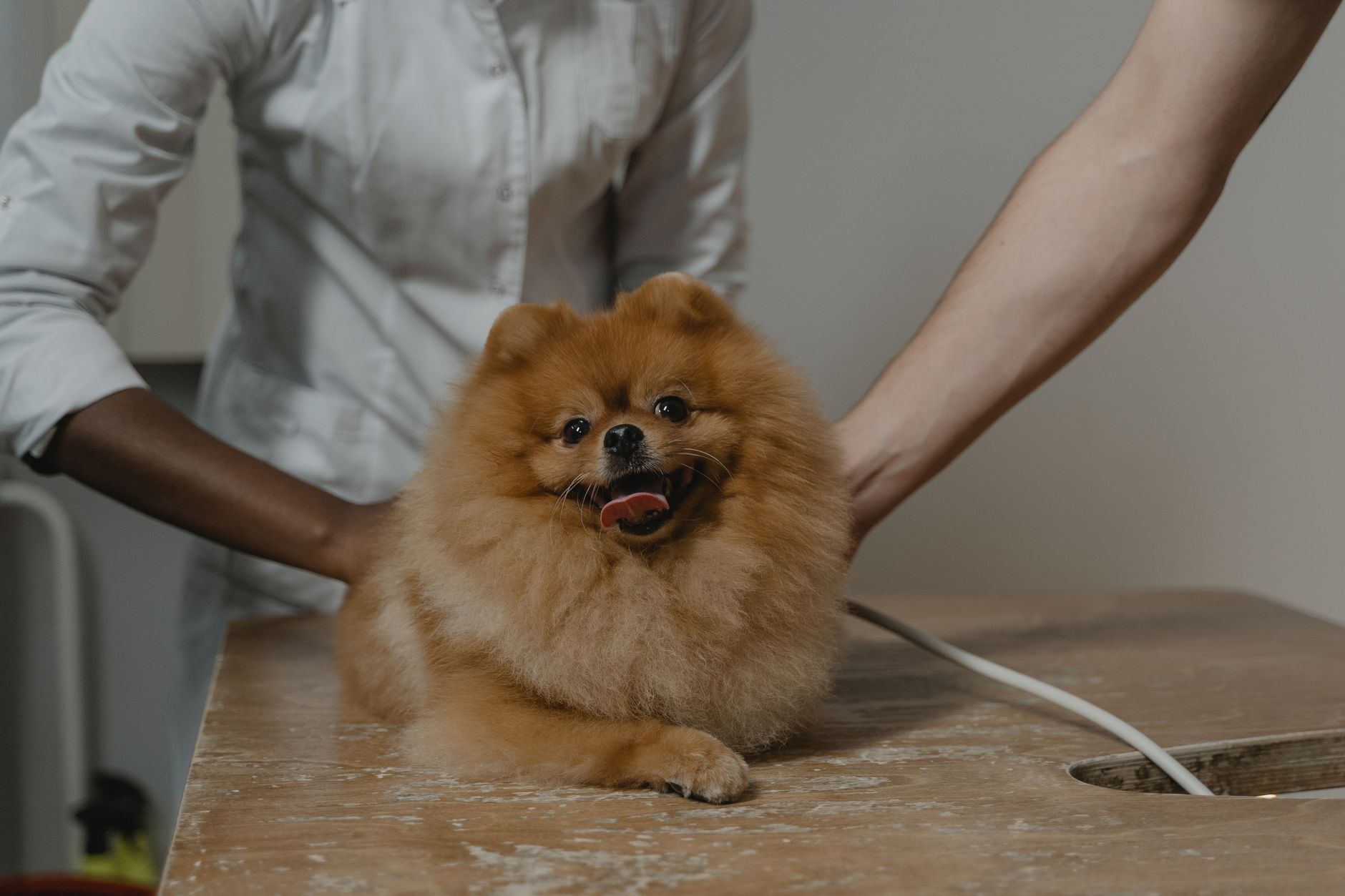
Scheduling regular veterinary visits is one of the most responsible decisions a pet owner can make. Pets rely entirely on their owners to recognize when professional care is needed — and knowing how to act on that instinct quickly can make all the difference. When you take the time to book a vet appointment at the right moment, you give your pet the best possible chance at a long, healthy life.
Why Regular Veterinary Visits Matter for Your Pet’s Health
Routine veterinary care goes far beyond treating illness. Annual wellness exams allow veterinarians to detect early signs of disease before symptoms become serious. Many health conditions in pets — including dental disease, parasites, and organ dysfunction — develop quietly over time. By the time visible symptoms appear, the condition may already be advanced. Preventive care, combined with consistent check-ups, helps veterinary professionals catch these concerns early and respond effectively.
Pets are also living longer than ever before, thanks in large part to advances in veterinary medicine and increased owner awareness. This longer lifespan makes ongoing health monitoring even more essential. A pet that receives regular exams and appropriate vaccinations is far more likely to stay active and comfortable throughout all stages of life.
What Signs Indicate It Is Time to Schedule a Veterinary Visit?
Many pet owners wonder how to know when a visit is truly necessary. The answer is that certain signs should never be ignored, and others simply reflect the value of routine care.
Changes in eating habits, unusual fatigue, excessive thirst, unexplained weight loss, difficulty breathing, or changes in bathroom behavior all warrant prompt veterinary attention. Limping, persistent scratching, swollen areas, or eye and ear discharge are also signals that something may need to be addressed by a professional.
Beyond visible symptoms, annual wellness visits should be part of every pet’s health routine regardless of whether anything seems wrong. Preventive diagnostics — such as bloodwork, urinalysis, and physical examination — give veterinarians a complete picture of your pet’s health and a baseline to compare future results against.
How Does the Appointment Process Work at a Veterinary Hospital?
The process of scheduling and attending a veterinary appointment is straightforward when you know what to expect. Most veterinary hospitals allow pet owners to contact them directly by phone or through an online request form. When reaching out, it helps to have your pet’s name, species, breed, age, and a brief description of the reason for the visit ready to share.
At Heineke Veterinary Hospital in Alexandria, KY, the team works to ensure that each appointment is thorough and personalized. From the initial check-in to the examination itself, the goal is to make both pets and their owners feel comfortable and informed throughout the entire visit.
What Should Pet Owners Bring to a Vet Appointment?
Arriving prepared helps the veterinarian provide the most complete care possible. Pet owners should bring any previous medical records, a list of current medications or supplements, and notes about any behavioral or physical changes they have observed. For new patients, this documentation gives the veterinary team essential context right from the start.
If a pet has had prior diagnostics performed elsewhere, bringing those results can help avoid unnecessary repeat testing and allow the veterinarian to make more informed decisions about next steps.
How Can Pet Owners Find a Trusted Veterinary Hospital in Their Area?
Choosing the right veterinary hospital is a decision worth taking seriously. Look for a practice with experienced, credentialed veterinarians, a welcoming environment, and a wide range of services — from wellness exams and vaccinations to surgical care and in-house diagnostics.
Heineke Veterinary Hospital has proudly served the Northern Kentucky and Greater Cincinnati communities since 1989. With a family-centered approach, advanced in-house laboratory capabilities, and a team that genuinely cares about animal well-being, the hospital has built lasting relationships with thousands of pet owners over the decades.

 Lisa Collins