admin
admin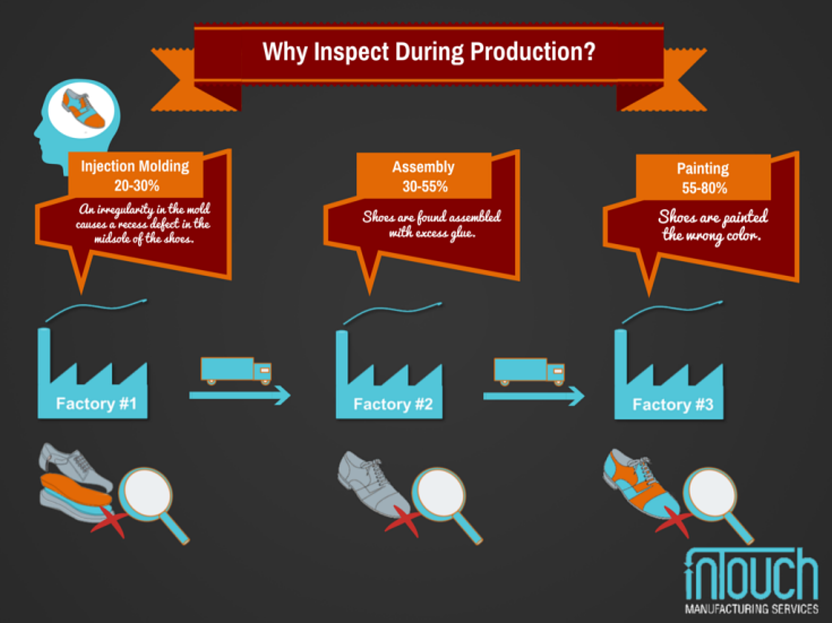
In the beauty industry, packaging is far more than just a product container. It affects the initial impressions, secures the formula, promotes adherence, and assists brands to gain trust in saturated retail and eCommerce markets. Even a top-notch formula can be ruined by a leaky bottle of the premium serum or a lipstick with a scratched tube, which can damage brand perception in a short period of time.
This is why intelligent cosmetic brands are attentive to packaging processes from the preliminary design phase through to the ultimate delivery phase. All details are important such as the closure fit, print quality, label positioning, color uniformity, barcode readability, and carton strength. Brands that have these elements systematically checked minimize complaints, unnecessary rework, and bring about a superior customer experience.
Why Packaging Workflows Need Strong Quality Controls
Cosmetic packaging can be a combination of various materials, vendors, decoration, and filling. One product can consist of a primary container, outer box, an insert, a shrink wrap seal and a label, which are sourced or processed separately. This complication enhances the probability of errors.
Minor mistakes can result in big downstream issues. Poorly matched labels have an impact on shelf attraction. Weak seals may cause transit leakage. Customers may have problems with usability due to inconsistent cap fitting. Such risks are further increased when the brands introduce new SKUs, ramp up production, or collaborate with foreign suppliers.
This is why Product Inspection should be integrated into the working process rather than a final inspection point. It assists the teams in detecting defects early, validating packaging requirements and preserving consistency in different batches before problems get to distributors or final users.
Common Packaging Defects in Cosmetics
Cosmetic packaging flaws are not confined to the visible damages. Several problems are technical and will not be noticed until after processing, shipping, or display in stores. Examples of this are broken jars, loose pumps, inability to seal, misaligned printing, broken cartons, color mismatch, adhesive breakdown, and mislabeling.
The functional defects are particularly severe since they influence the safety and the usability of the product directly. A dispenser which is not functioning correctly can annoy the user. A poorly closed cap may lead to exposure of the formula to air or contamination. Even the slightest cosmetic defect can make customers doubt the authenticity or quality of the product.
This is the reason why packaging inspection ought to be a combination of visual inspection, dimensional inspection, material inspection, and performance test. A systematic procedure assists quality teams in getting past subjectivity and applying measurable acceptance criteria.
Building an Effective Inspection Workflow
A good workflow begins with specifications of packaging. Teams are expected to record accepted dimensions, material standards, print references, finishing requirements, drop-test expectations, and labeling guidelines. In the absence of documented standards, the results of inspection tend to be unreliable.
The second one is to establish checkpoints at appropriate stages. Checks of incoming materials are used to ensure the packaging materials are checked before they are sent into the production process. In-line inspections assist in the detection of problems during assembling or filling. Finished products are checked before being shipped to ensure they are of the right standard.
Defect classification is also very crucial. There should be a definition of what constitutes critical, major, and minor defects by the teams to have a consistent and practical decision. This prevents unnecessary rejection, as well as risky approval. Good reporting also matters. It is easier to correct root causes with photos, measurements, lot references and trend analysis than to keep fixing the surface-level issues over and over again.
Why This Process Protects the Brand
Presentation is very important to cosmetic buyers. Premium positioning can be reinforced by attractive and reliable packaging, and defects may cause returns, negative reviews, and loss of customer trust. The packaging is in most instances the initial quality signal to the customer.
An excellent workflow defends better than looks. It helps in compliance, waste minimization, and enhances the communication between the procurement, production, and quality divisions. It is also useful in ensuring that brands are consistent across the contract manufacturers and regional markets.
In the long run, this field generates a quantifiable business value. Reduced defects translate into reduced replacement costs, enhanced relationships with retailers and easier product launches. Brands that consider packaging quality as a strategic operation tend to be better placed to grow without compromising customer satisfaction.
Conclusion
The quality of packaging is directly related to the success of the product in beauty manufacturing. An effective workflow will allow the brands to identify problems at the earliest stage, streamline the expectations, and provide a more dependable customer experience. This is why Cosmetics packaging inspection is a very important aspect of quality assurance to any cosmetic brand that is interested in keeping the product intact and the market image intact.